TECHNO
GARDEN,
2090
In 2025, Kew Gardens stood as a treasured plant conservatory — but climate change, shrinking budgets, and London's tech expansion were already quietly questioning its future.
By the 2040s, Kew adapted to survive. Glasshouses became hybrid spaces where plants shared room with climate sensors and experimental grids — nature, now measured and digitised.
After 2060, Kew's open land gave way to data centres and AI networks. Living collections were transferred into genetic databases — what once grew in soil now lived in code.
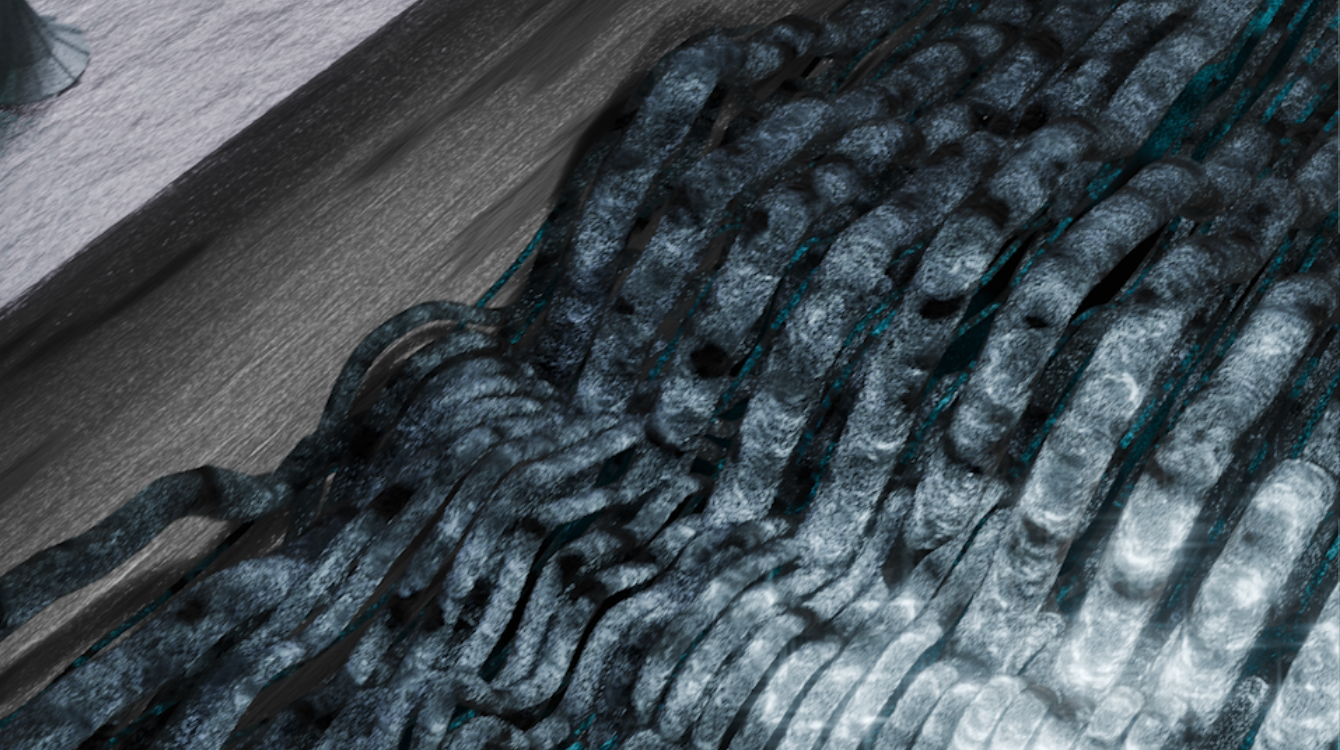
By the 2080s, Kew became the Techno Garden. Holographic forests replaced real ones, and only sealed chambers held living plants — relics from another age.
By 2090, Kew stood as a symbol of adaptation — soil buried beneath circuitry, its legacy preserved not as a garden, but as a bridge between what was and what might return.