the memory
encoding machine
A speculative world where the your prized memories can be spent instead of money. a storefront for the future.
In 2076, currency has gotten stricter.
some of the world's most desirable goods are no longer paid for in money. They are paid for in memory.
buyers input memories of their choice into a device known as the Memory Encoder. This machine reads these memories and scores them in memorabilia so that product purchase becomes viable. You must choose a specific or general sector to contribute to in order for the memory to be processed efficiently.
A more conscious form of currency.
In this envisioned future, people must be far more mindful of the memories they choose to spend. Because memories function as currency, consumption becomes naturally regulated — individuals may only exchange memories for things they truly need. This pushes back against impulsive spending and toxic consumer culture, placing value on personal experiences over unlimited monetary exchange.
Today, money spent on goods circulates through the economy and funds governments, infrastructure, and businesses — yet often widens the gap between rich and poor. Wealth becomes the primary goal while other meaningful aspects of life are neglected.
In the proposed system, memories circulate in a more human-centered way. By allowing individuals to experience the memories of others, people are urged to develop empathy and understanding, leading to choices that better reflect the wider population.
A scenario.
This short film shows what a world with this machine may be like. Who does it help? Who does it protect?
Physical Deliverable
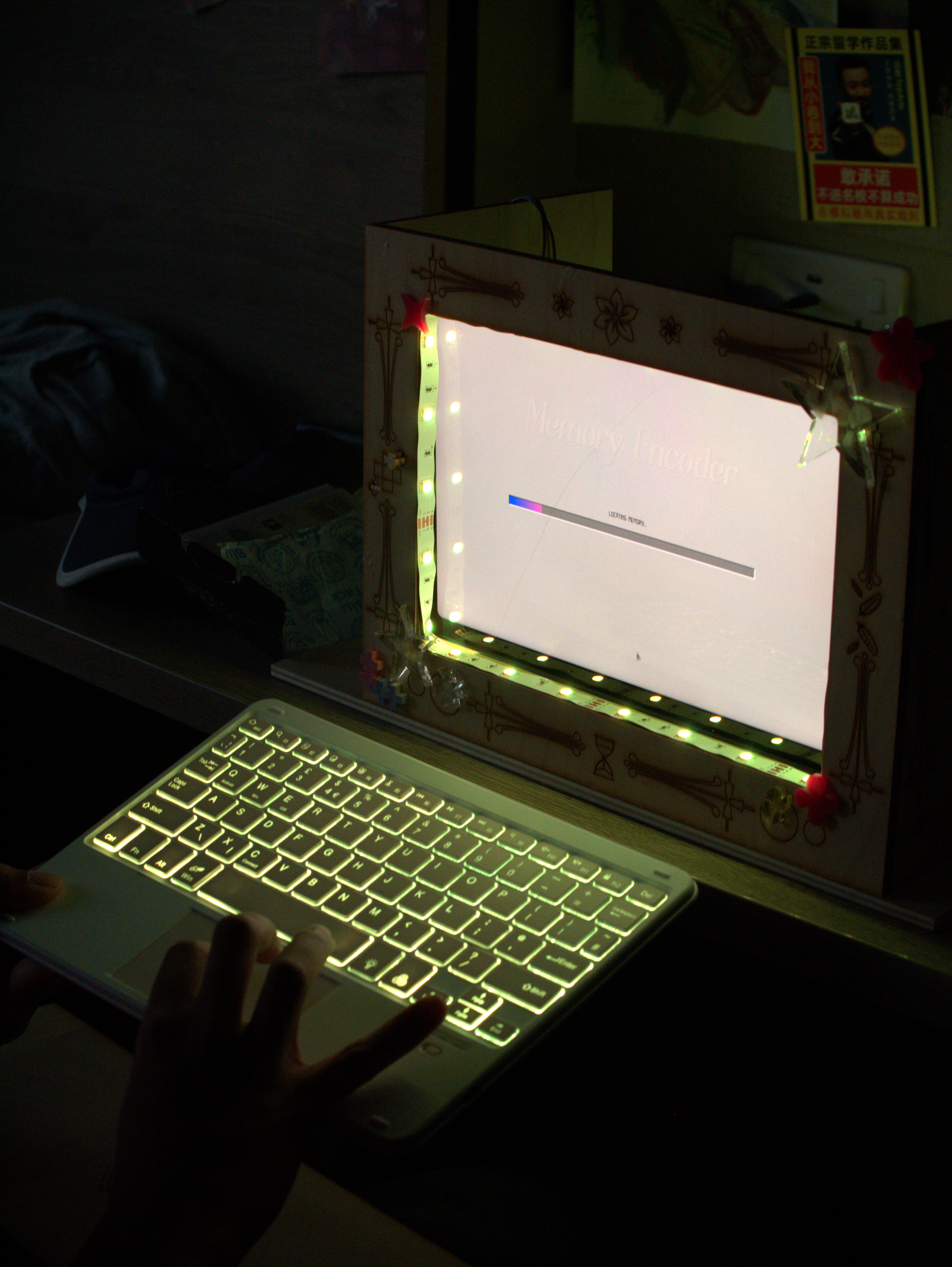
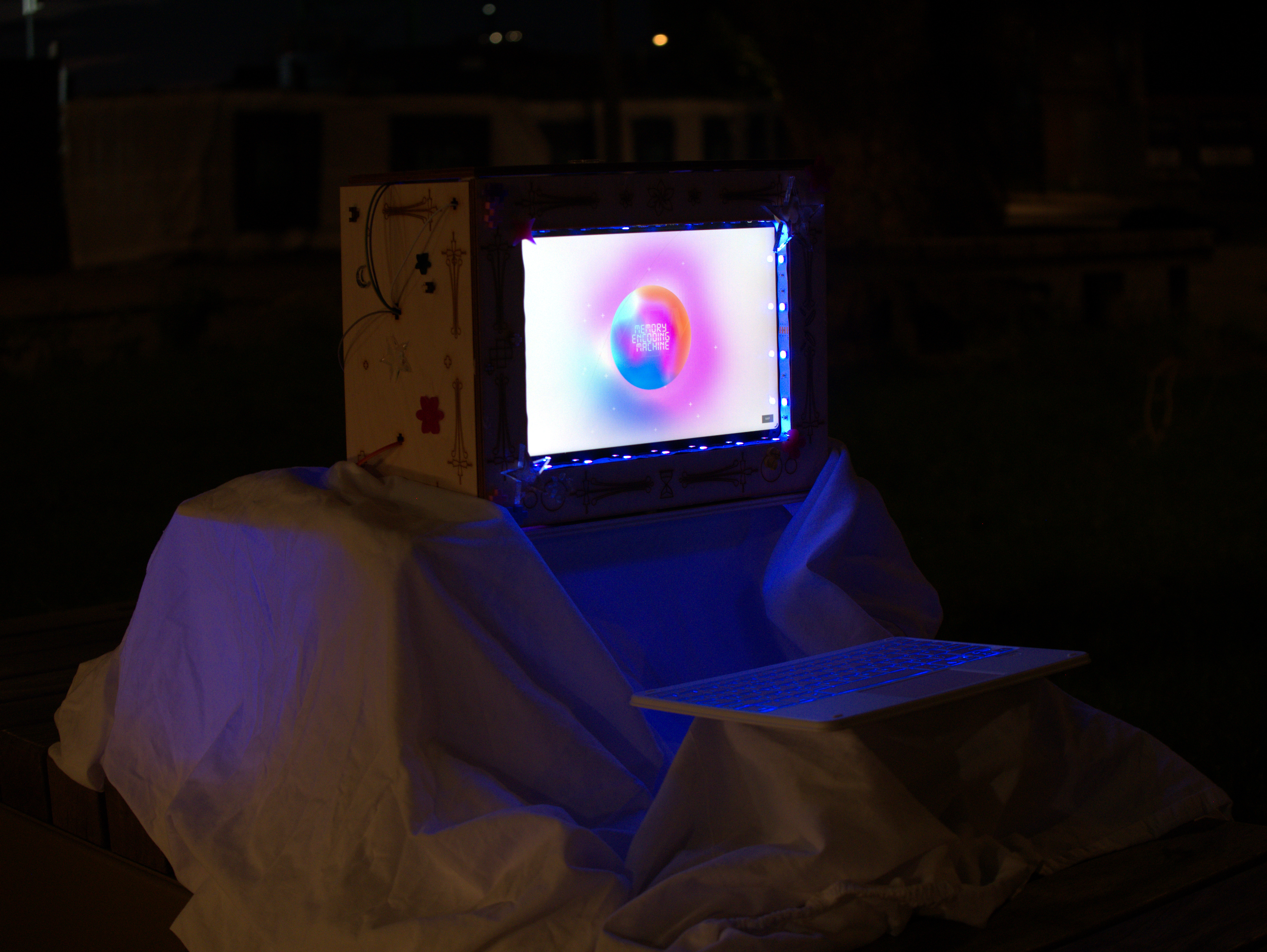
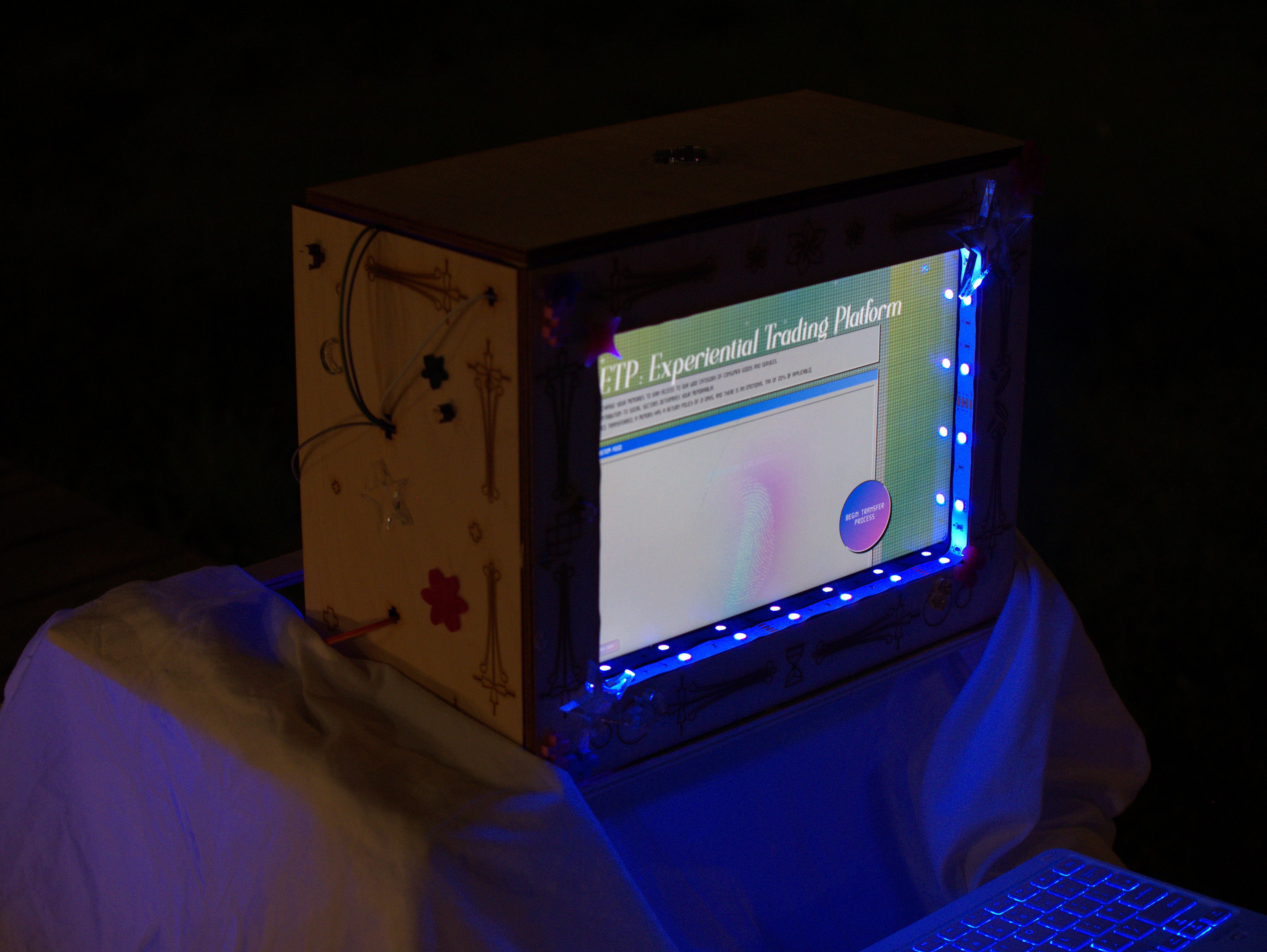
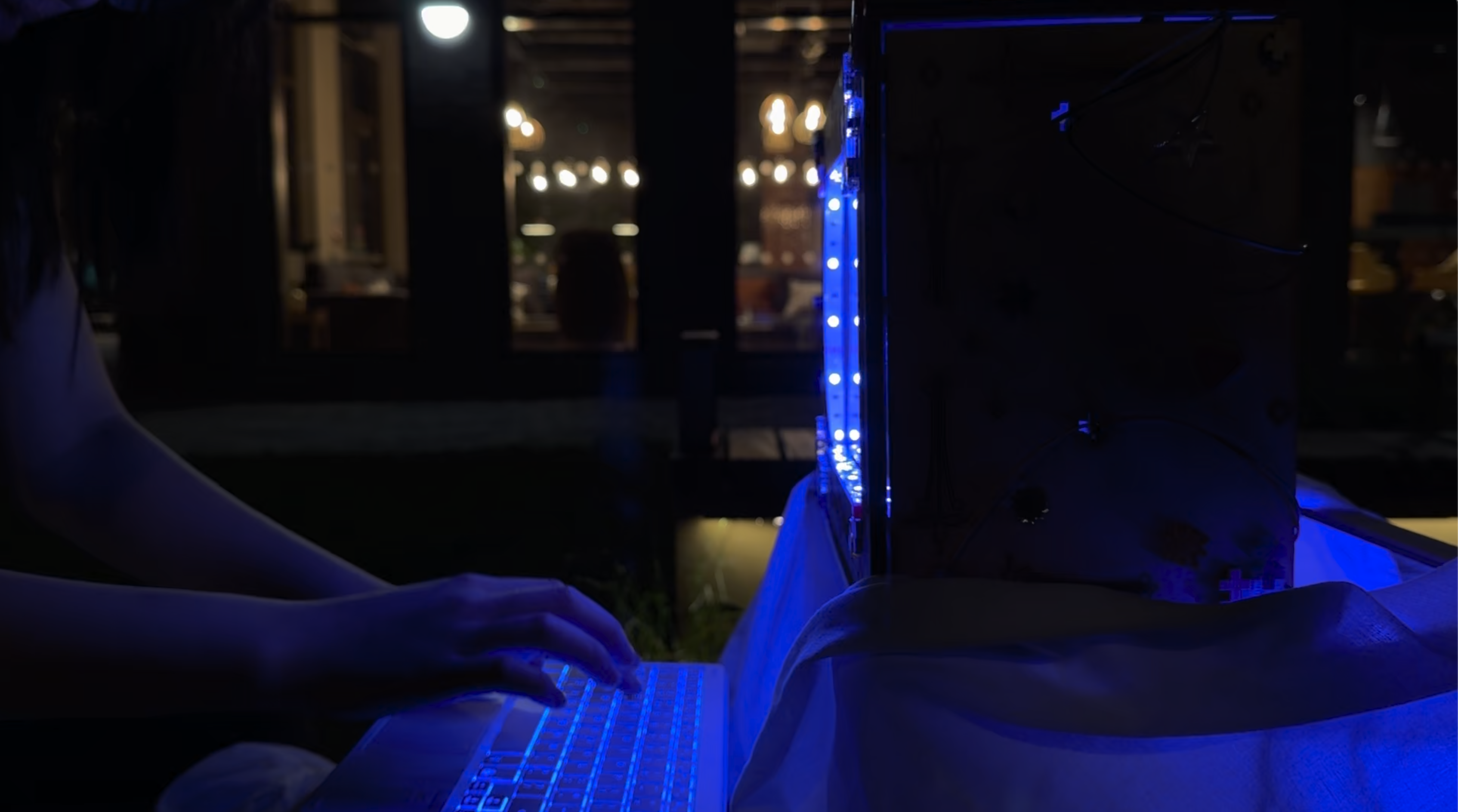
The encoder, as it sits in the world. Photographed stills of the final prototype - also designed with a fun LED light system.
Scroll through to see the object from every angle.
Enter the archive.
Every memory submitted to the Encoder is preserved in a private archive. This is a deliberate restriction that reveals a world where only certain authorised individuals are granted access. Memories are delicate, and not everyone can simply view them.
Designated Encoders, assigned to each department, are responsible for circulating these memories with care and professionalism.
Read the dispatch.
A printed dispatch from 2076 — news clippings, classifieds, and editorials from a world where memory is currency.
It contains an interview with the founder, frames Havard as the leading school in encoding studies, and proof of this system working positively. The point of this newspaper is to better give viewers an idea of this speculative world through a creative outlet.

Memorabilia.
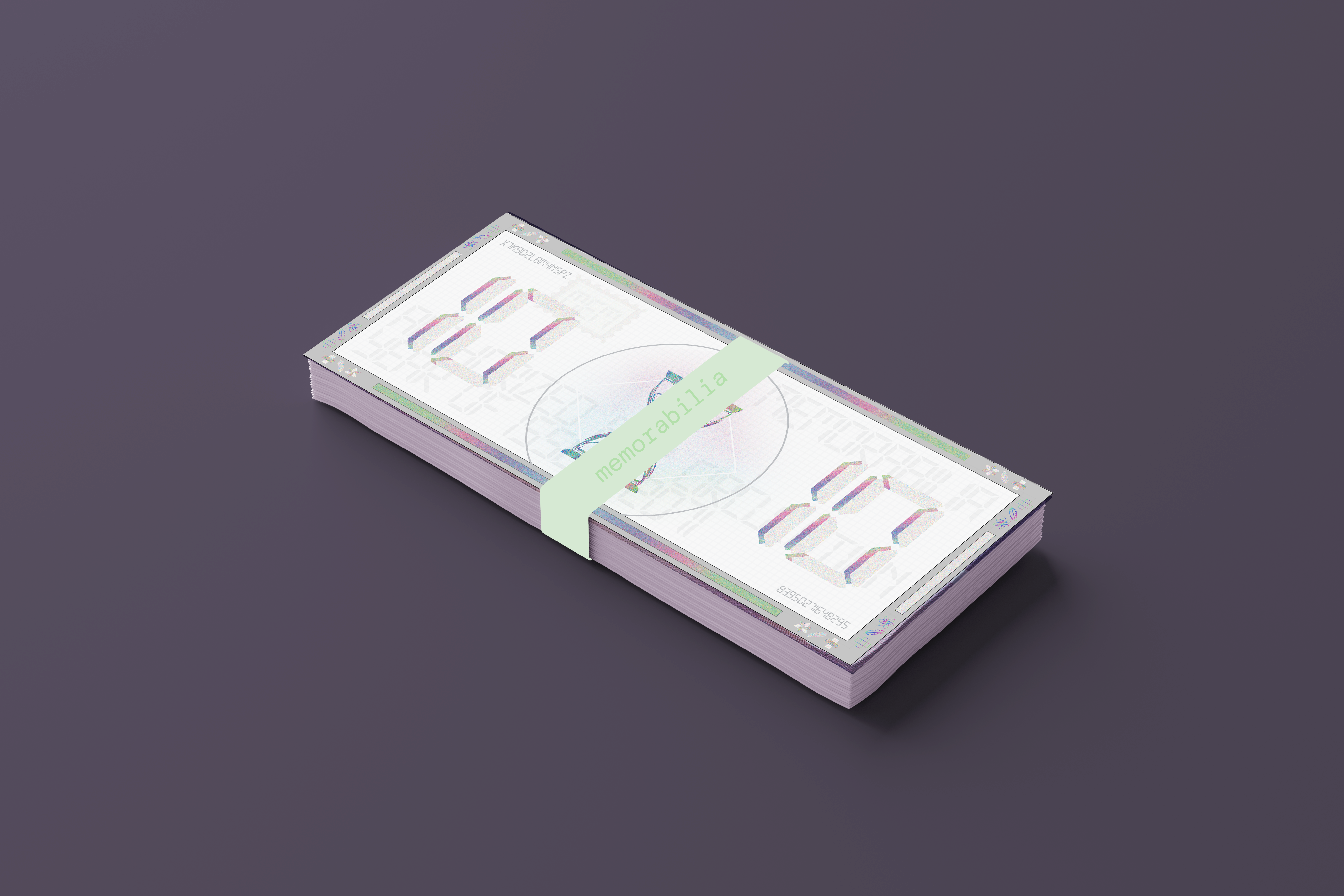
The unit of exchange in 2076. Memorabilia can be used to purchase different items that correspond to its value.

look at the deparments
understand what each department entails and predecide what you would like to contribute to
adjust sliders
once you've chosen your memory, adjust the provided sliders: this is supposed to help you recall your memory with greater clarity before input
memory encoder
write down your memory as you remember it and let the system score you...and then shop!
encode your memory
fyi, the scores are calculated using proper and researched mathematical formula
Enter the vault →